Travesty revue, entrance ticket
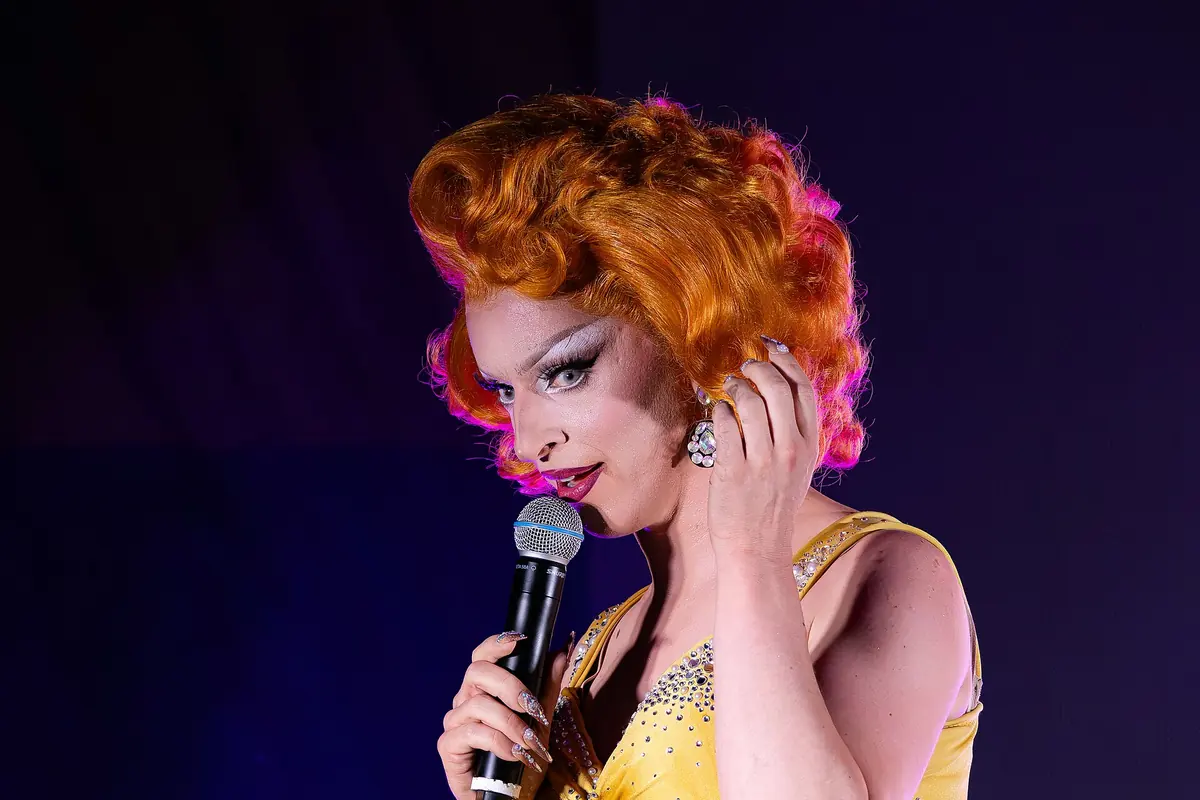
Two hours of costume, star parody and comedy in German at a theatre in the Neustadt, with the after-show party. Food and drinks are served at the tables and paid for there; ages 14 and up.

Dresden · Saxony
Two hours of parody, sequins and comedy at Europe's largest travesty theatre, with dinner at your table as an option.
Dates reach the booking page only now and then; when you see one, take it.
Straight to the point
In short. Yes, as long as you go for the spectacle rather than the jokes. The revue runs for about two hours: costume changes heavy with feathers, rhinestones and sequins, parodies of famous stars, music and a compère who talks to the room in German. Without German you keep the costumes, the music and most of the parody, and you lose much of the wordplay. You sit at tables where food and drink can be ordered and paid for; the ticket covers the show and the after-show party, it is for ages 14 and up, and it can be cancelled free until two days before. Dates appear only now and then.
A travesty revue, the German stage tradition in which performers play the opposite sex, in practice mostly men playing women: a string of numbers with no plot, built on costume, transformation, star parody and risqué humour. It plays in a purpose-built theatre on Prießnitzstraße in the Neustadt, the quarter north of the Elbe, where the audience sits at tables and is served before the show.
It isn’t a dinner show with a meal in the price: food and drinks are ordered at your table and paid for there. It isn’t a show for children, a concert in English, or a programme published ahead; the theatre changes its revue over time. And it isn’t Kabarett, the German word for political satire on stage: this is glamour and comedy, not commentary.
The revue in four lines
Door to after-show
Look for the start time on the voucher and in the booking calendar. The running order is the theatre’s to set and changes from one revue to the next, so read this as the shape of a typical night rather than a programme.
Arrive
The voucher lets you in up to 30 minutes before the start. Leave time for the desk; the queue to exchange vouchers is the one thing that can make you late.
Desk
Show the voucher on your phone at the ticket desk by the entrance; nothing needs printing. Coats can go to the cloakroom by the door.
Table
Seats are at tables, cabaret style. Food and drinks come from the theatre’s kitchen and bar and are paid for separately.
Curtain
About two hours of numbers: costume parades, star parodies, songs and a compère’s patter in German, with the audience drawn in. Cameras stay away for the whole show.
After
When the stage goes dark, the bar stays open. The theatre describes its after-show lounge as the place where the artists come off stage and spend the rest of the evening with the audience.
Home
Staff at the cloakroom will call a taxi on request, or walk back to the tram stop.
Where the form comes from
The theatre’s own running order changes and is left out here. What stays constant is the long line of stage traditions behind any travesty revue: men in women’s roles, the female impersonators of the music halls, Berlin’s cabaret years, the revue format and its costume, and the art of parodying a star. Here is each one, in brief.
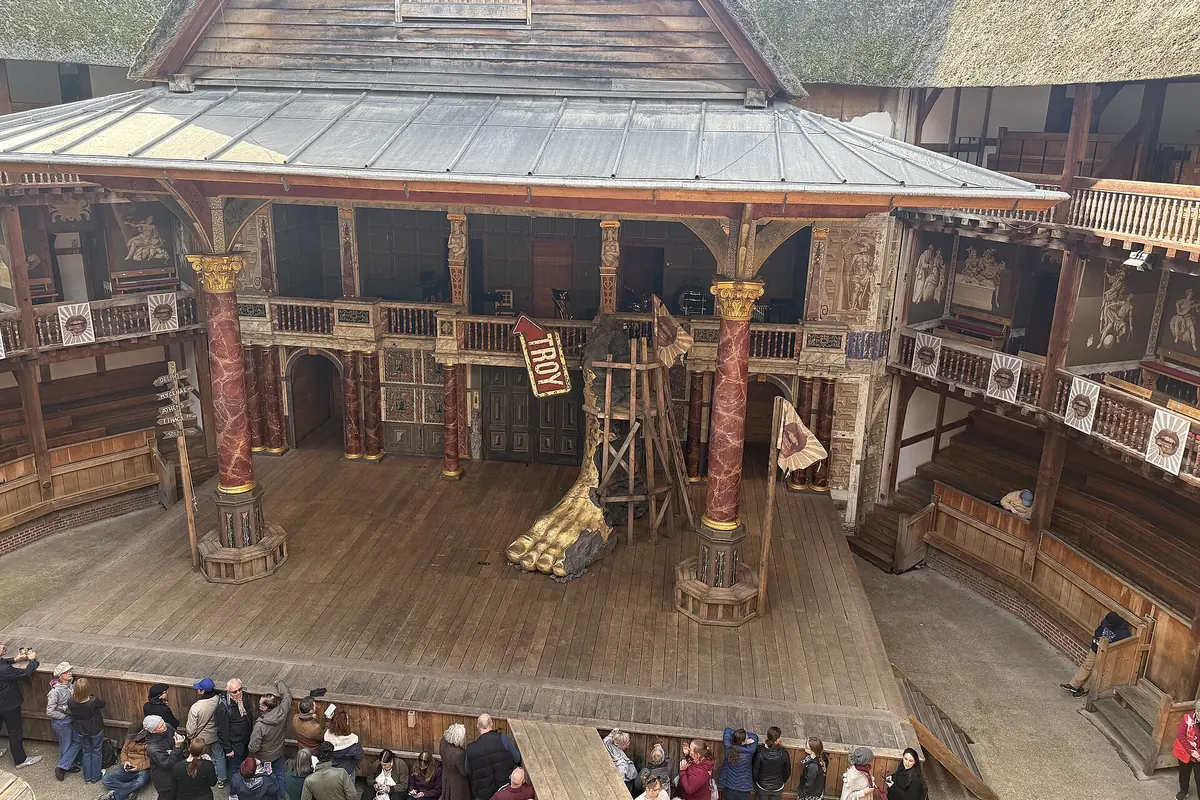
Stage
Travesti is the theatre’s word for a role played by a performer of the opposite sex; it means disguised in French. Until the late 17th century in England, female roles were played by male actors, usually adolescents, because a woman appearing on stage was thought immoral. Something of it survives: the comic dame of British pantomime is still played by a man.
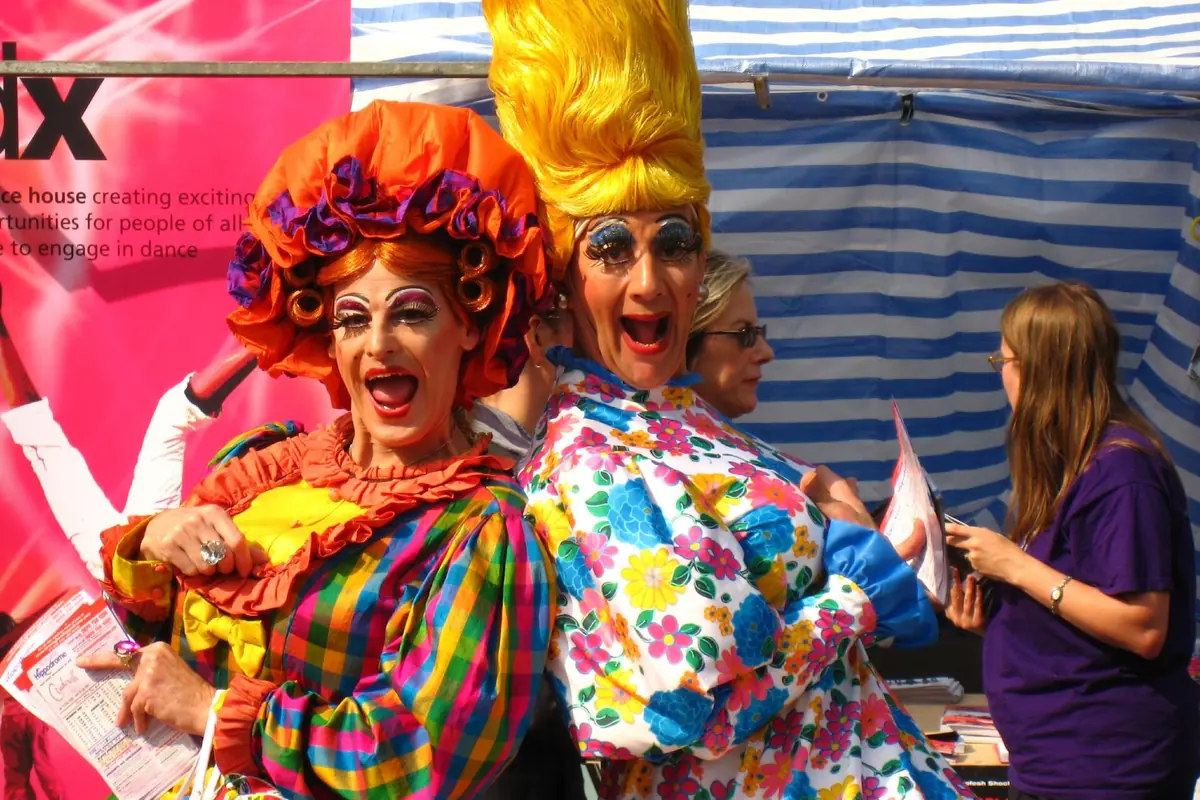
Dame
Pantomime keeps at least one humorous, usually older female character for a male actor, the dame, and nobody in the audience is meant to be fooled. A travesty revue plays the same open game: the disguise is the joke, shared with the room rather than hidden from it.
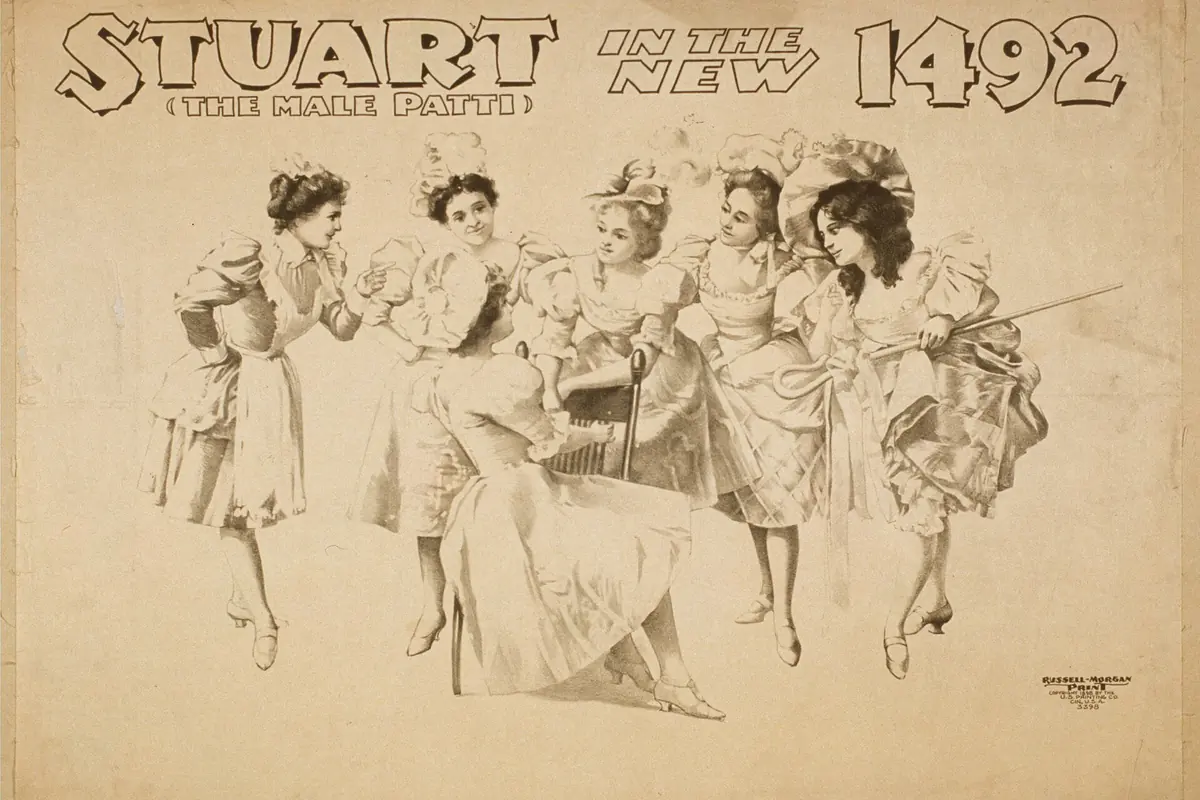
Impersonators
German Wikipedia records that the performers were first called Damenimitatoren, lady impersonators, and their shows billed as Herren als Damen, gentlemen as ladies. From the 1970s the leading names of the travesty shows pushed the word Travestie instead, partly to shed a seedy image; Paris was a centre of these shows at the time.
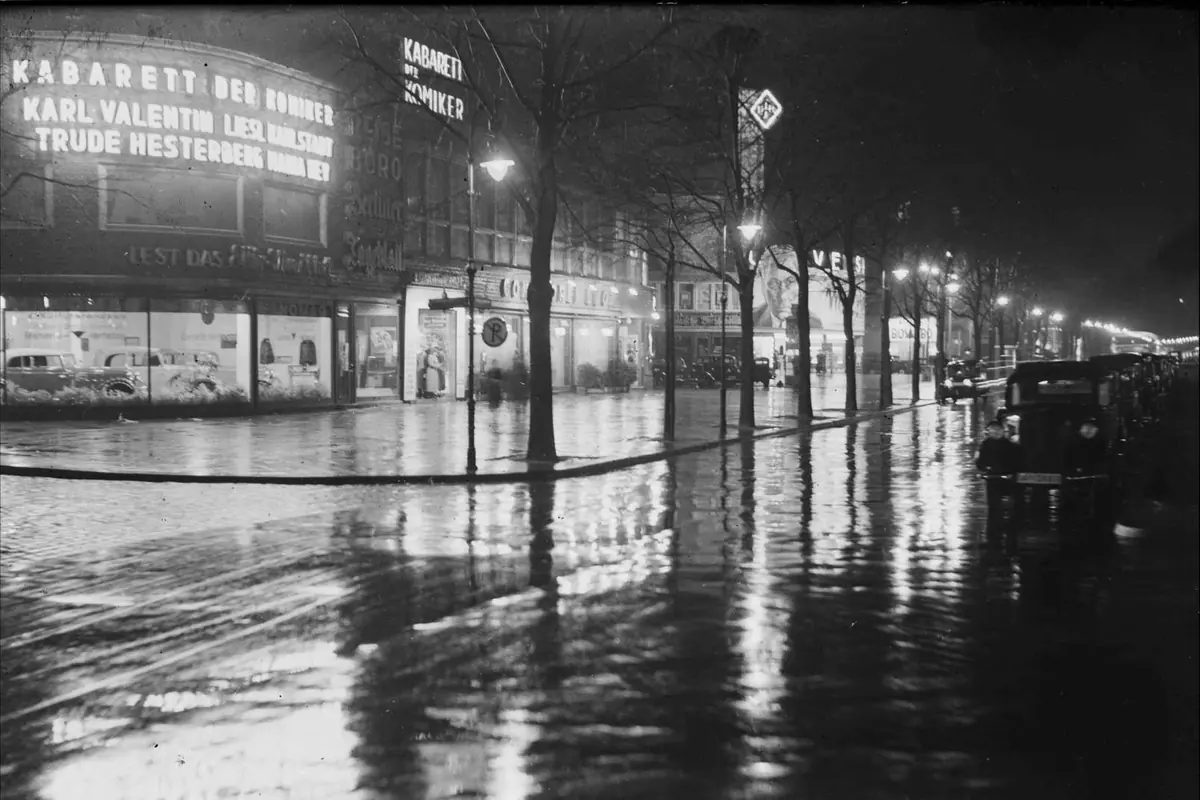
Berlin
German Kabarett began in 1901 with Berlin’s Überbrettl, and by the mid-1920s its trademarks were political satire and gallows humour. In the same city the Eldorado, a club remembered as an icon of the Weimar years, made what are now called drag shows a regular part of its cabaret; Marlene Dietrich performed there. Police closed it in December 1932.

Revue
A revue strings songs, dance and comic sketches together without a through-story, only a theme that loosely links the acts. The form peaked between 1916 and 1932 and was prized above all for its visual spectacle. The showgirls of the Paris music halls, and later of Las Vegas, made the costume part of the spectacle, ever more lavish as venues competed.
Parody
German Wikipedia describes the travesty artist’s repertoire as running from imitating stars, through parodying them, to creating characters of their own, often with music and singing at the centre and a humorous play with innuendo. The same article notes that Travestie is not tied to any sexual orientation, and separates it from drag queens, who keep one stage persona under a drag name.
Drawn from Wikipedia, read November 2026: the English articles on travesti, drag, Kabarett, the Eldorado in Berlin, revue and showgirls, and the German article on Travestie.
The ticket, line by line
Every term that matters for the night, in one list.
Revue or lantern walk
Around the evening
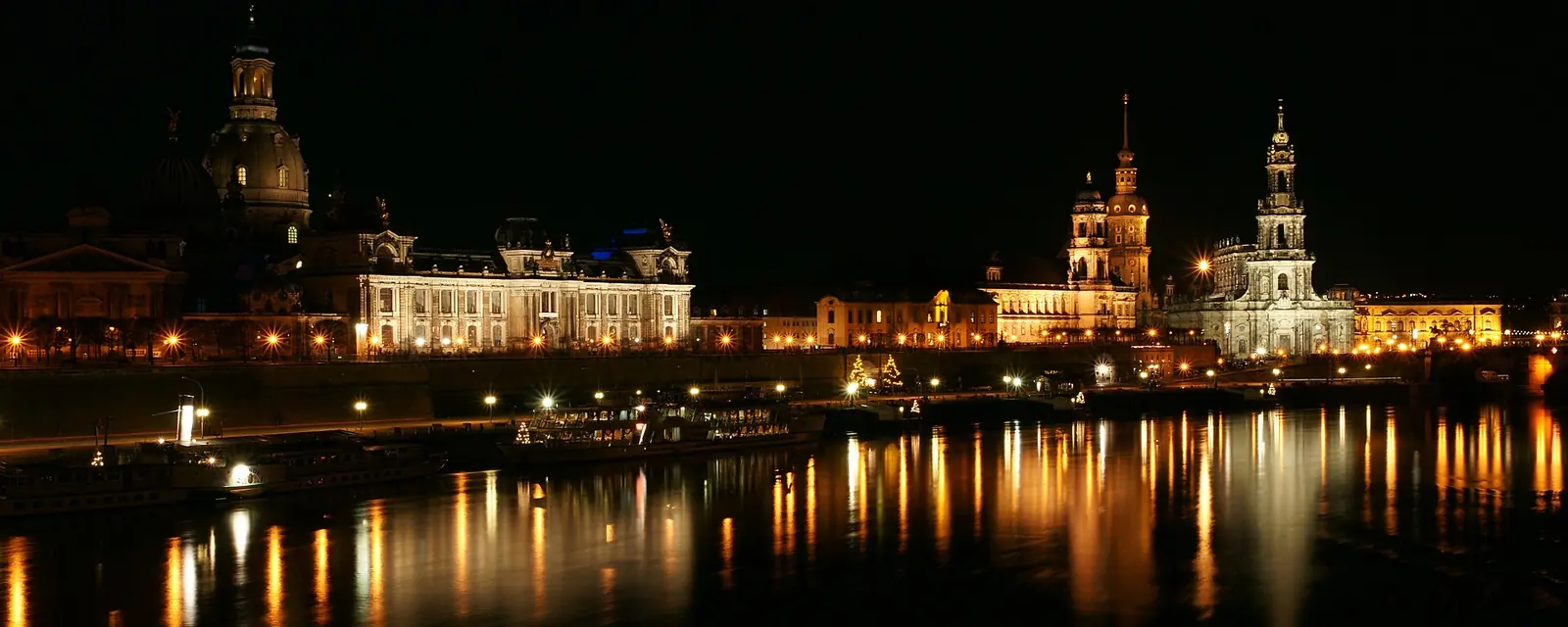
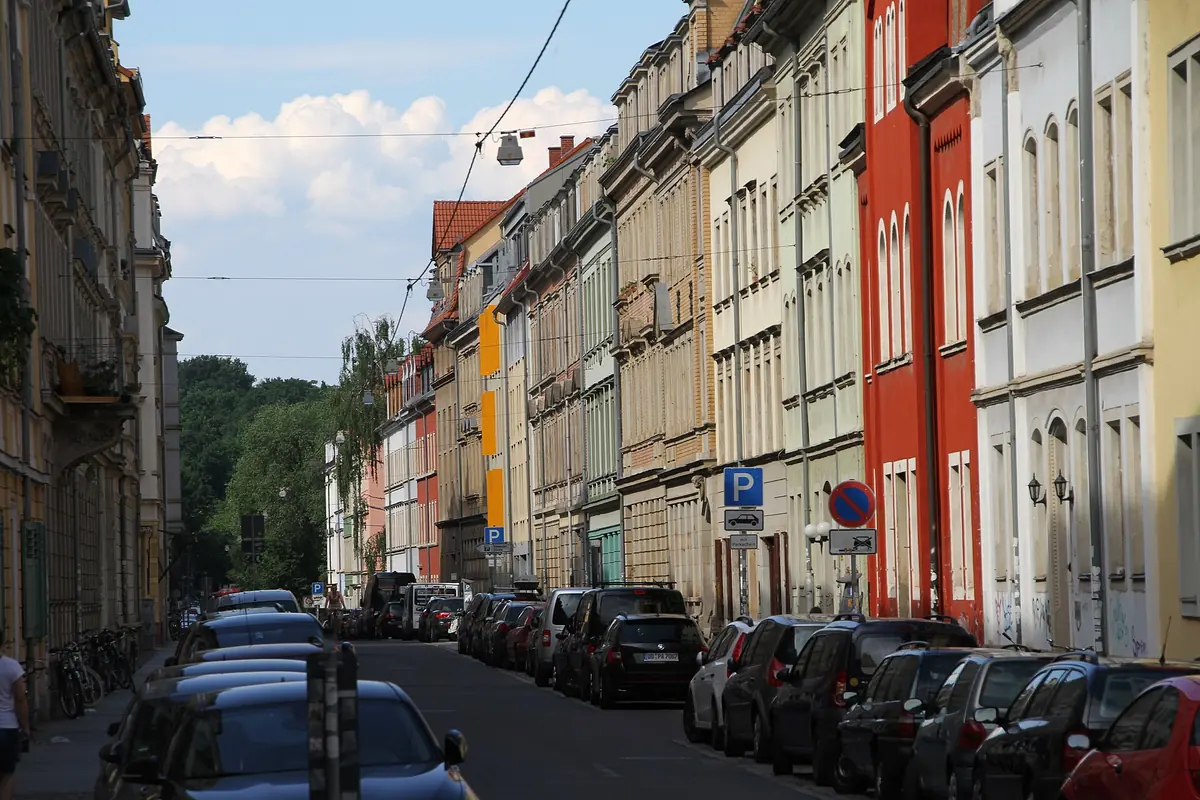
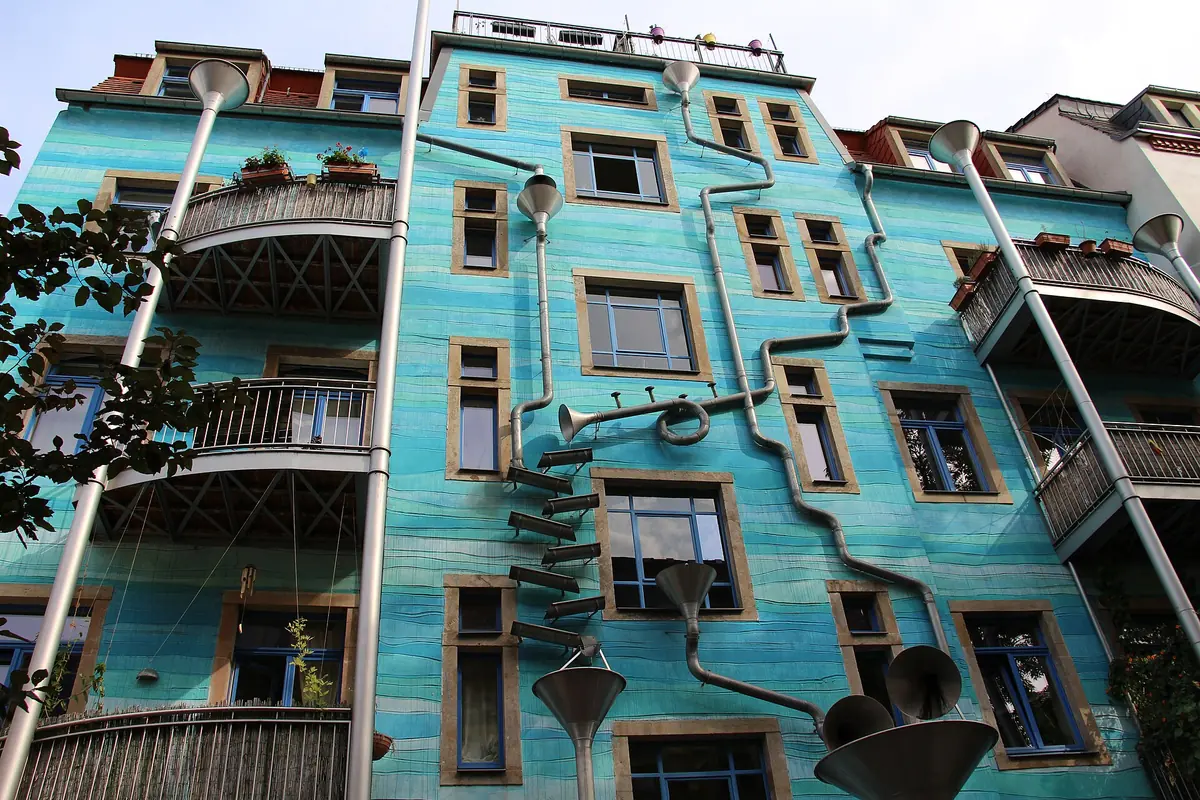
The street the theatre stands on, a courtyard in the Kunsthofpassage, and the city across the Elbe that most visitors pair with an evening at the revue.
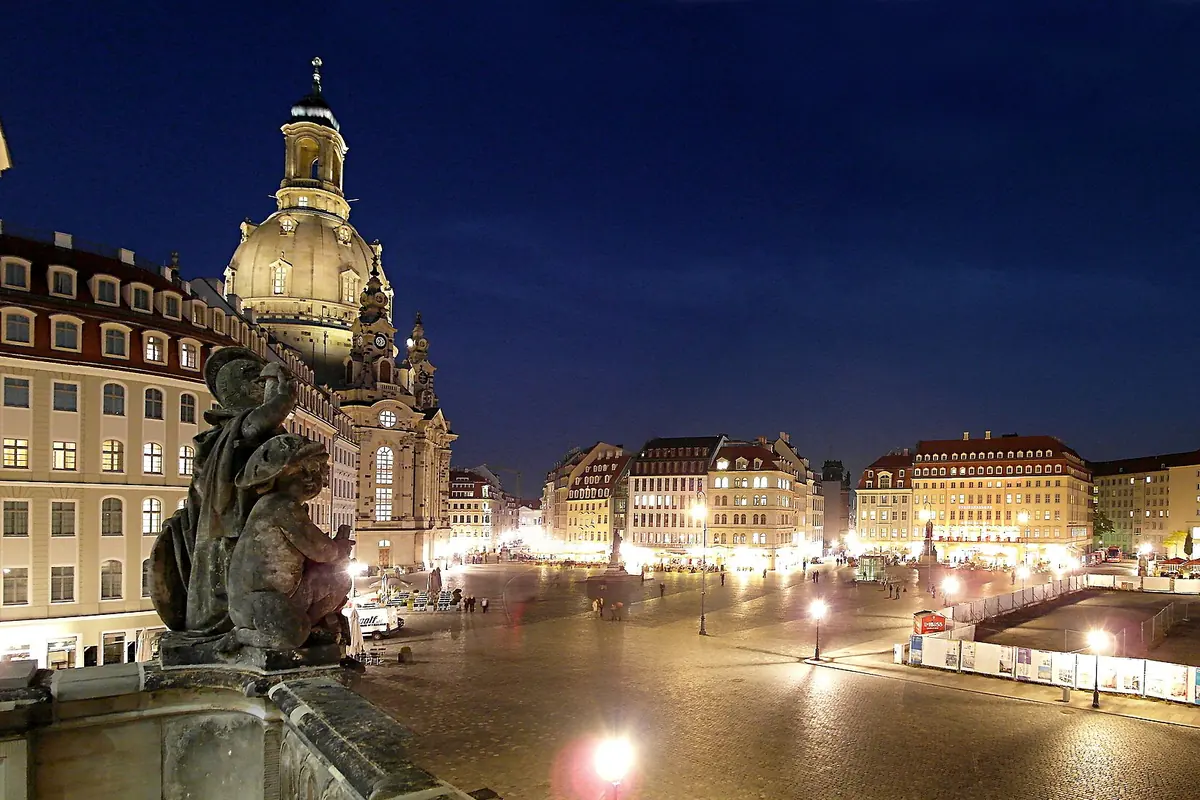
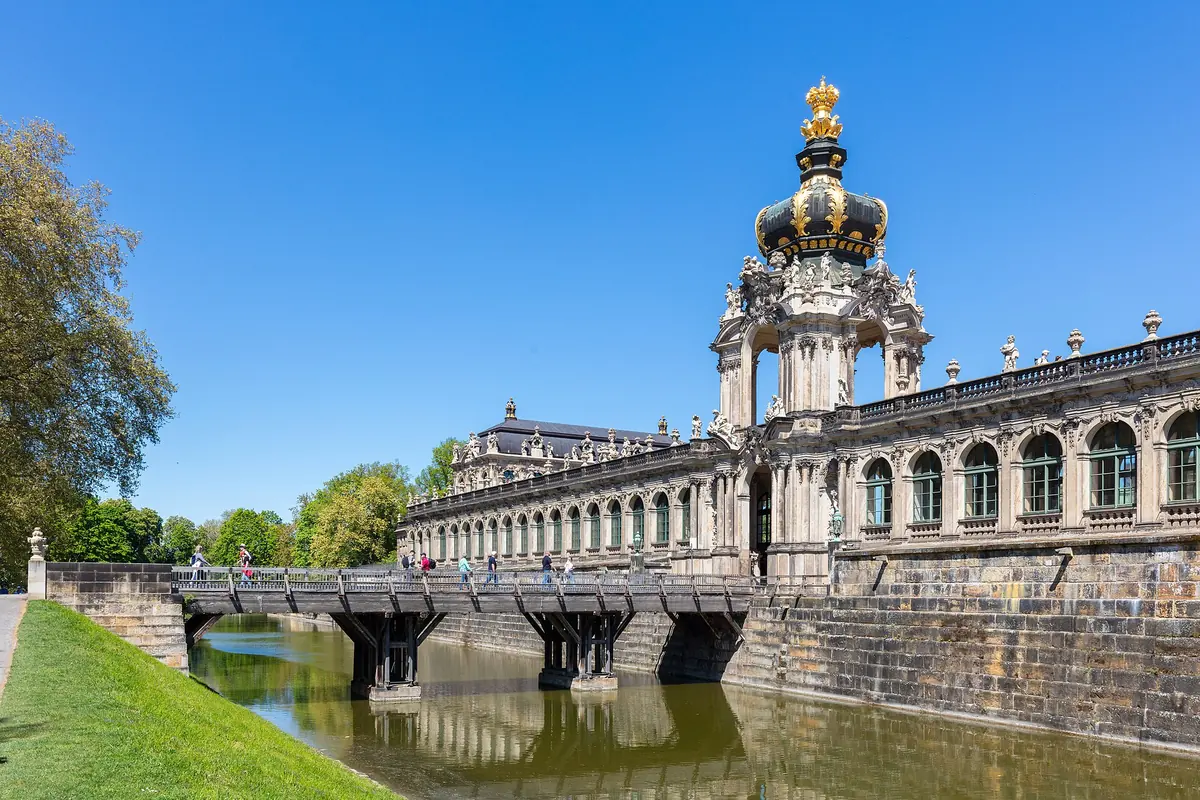

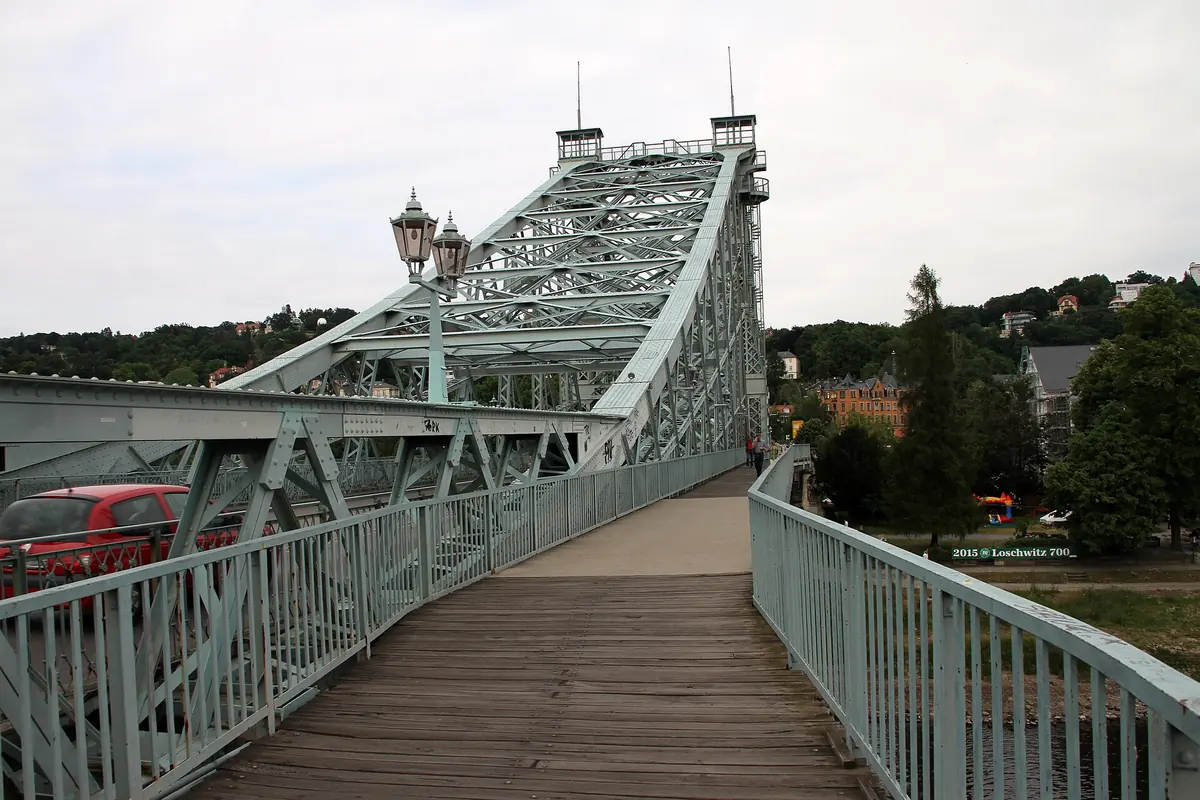
The revue, and the rest of your Dresden days
The revue sits first. Beside it are the lantern walk it is weighed against below, a river cruise for an afternoon and a museum ticket for the Zwinger. Each card opens that trip’s own calendar.
Two hours of costume, star parody and comedy in German at a theatre in the Neustadt, with the after-show party. Food and drinks are served at the tables and paid for there; ages 14 and up.
Ninety minutes on foot through the old town behind a costumed night watchman with lantern and horn, telling stories in German. A small liqueur at the start; not for children under 10.
An hour and a half on a paddle steamer or a modern boat from the Terrassenufer, past the three Elbe palaces to the Blue Wonder bridge, with commentary in German and English.
A dated ticket to the Zwinger’s collections: the Old Masters Picture Gallery, the sculpture and porcelain collections and the salon of scientific instruments. Go in at any time while they are open.
More evenings and days out in Dresden
Reaching the theatre
The theatre stands on Prießnitzstraße in the Äußere Neustadt, the old quarter north of the Elbe that is known for its bars and painted house fronts. Your voucher gives the full address.
Tram line 11 stops at Diakonissenkrankenhaus, a short walk from the theatre.
A taxi is the easiest choice for a group. Going home, the cloakroom staff will call one for you on request.
The kitchen serves at the tables before the show, à la carte or set menus, all paid for separately. The voucher lets you in from half an hour before the start, so if you want a full meal, contact the theatre after booking to agree an earlier arrival.
Your voucher on your phone, a card for food and drink, and some German if you have it. Leave the camera at home: cameras are not allowed.
A ramp leads to the lower audience level and there is an accessible toilet. The theatre places wheelchairs individually, so tell it ahead of your visit.
Read before curtain
FAQ
Yes, if you come for the spectacle. Costume, music and star parody need no translation; the compère’s jokes and much of the wordplay are in German, so you will miss a share of the comedy. The more German you have, the more of the comedy you will catch.
German. The compère talks to the audience in German and the comedy leans on wordplay. Songs, costume numbers and parodies of famous stars carry the evening for anyone without the language.
About two hours. The ticket covers entry to the revue and the after-show party. Food and drinks are not included.
Yes. The theatre serves food and drinks at the tables before the show, à la carte or as set menus, paid for at the theatre. The voucher admits you from half an hour before the start, so contact the theatre if you want time for a full meal.
Yes, 14. Younger children cannot use this GetYourGuide ticket, and the humour is for adults and often risqué.
Yes. A GetYourGuide booking can be called off without cost until two days ahead of the show, and the money comes back in full. Inside those two days it can no longer be refunded, so check your plans before the cut-off.
Dates for this ticket appear on the booking page only now and then, and many months show none. If you see a date that suits you, book it; you can still cancel free until two days before.
At the ticket desk at the theatre entrance. Exchange your voucher there before the show begins; you can arrive from 30 minutes before the start, and the voucher can stay on your phone.
No. Cameras are not allowed during the show.
No. This site is an independent guide. It is not the theatre’s website or the production company’s, it has no affiliation with either, and every booking made from it is made with GetYourGuide.