The form
Travestie, drag and revue
Where a travesty revue comes from: the word, men in women’s roles, the female impersonators, Berlin’s cabaret years and how German keeps it apart from drag.
Check for a revue night ↗Quick answer
Travestie is the German name for stage performance in a role of the opposite sex, in practice mostly men playing women. It grows from old theatre practice, the female impersonators of the music halls and the revue’s love of costume. German usage keeps it apart from drag: a travesty artist plays characters and parodies stars, while a drag queen keeps one lasting persona with a drag name.
The word
The German word comes from the Italian travestire, to disguise, itself built from the Latin trans, across, and vestire, to dress; French borrowed it in the 16th century as travestir. In ballet, roles of the opposite sex are still danced en travesti. English formed its own travesty in the 17th century, prompted by Paul Scarron’s comic poem Le Virgile travesti of 1648, and the sense of comic poetry reached German by that route. German Wikipedia’s article on Travestie covers both senses, but in a Dresden theatre programme the word means only the stage art.
Men in women’s parts
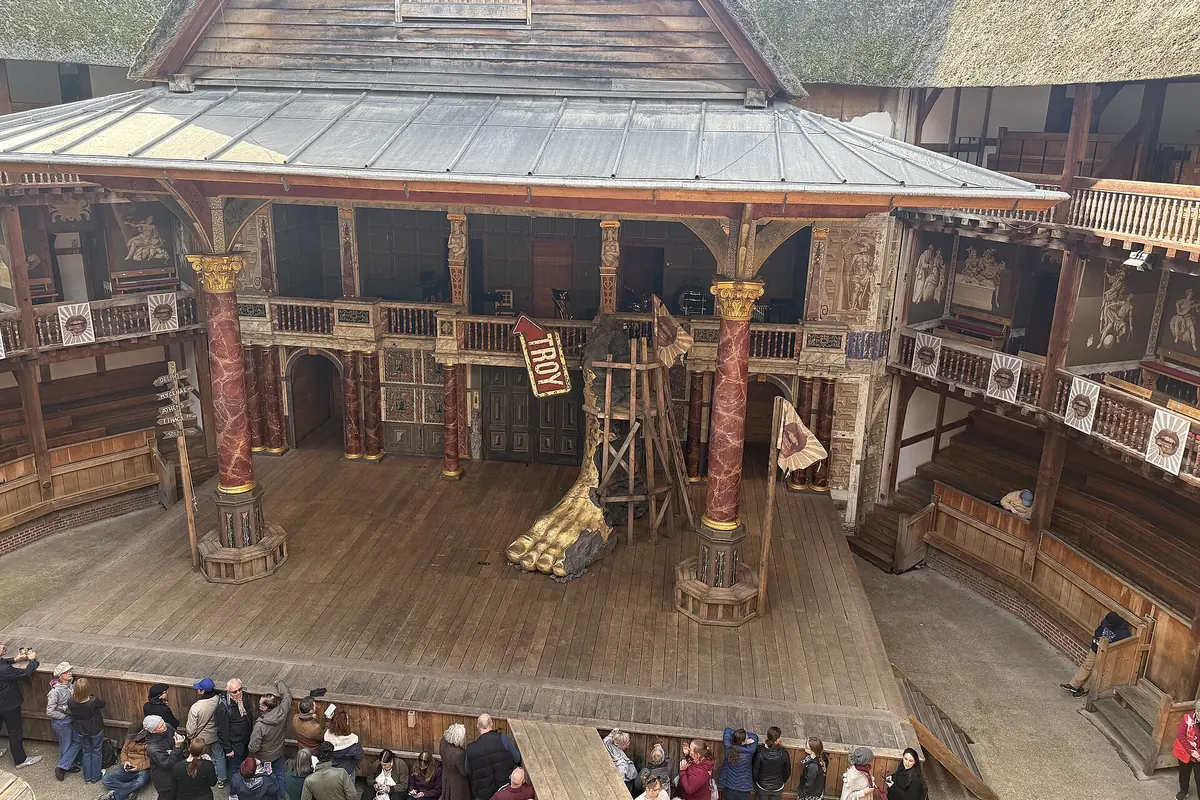
For long stretches of theatre history, women did not appear on stage at all. In England until the late 17th century, female roles were played by male actors, usually adolescents, because a woman on stage was thought immoral; women began to appear only after the Restoration in 1660. The reconstructed Shakespeare’s Globe in London still casts men in some female roles, and British pantomime keeps its dame, a comic older woman played by a man. These are travesti roles in the oldest sense: part of a play, not a show of their own.
From Damenimitator to Travestie
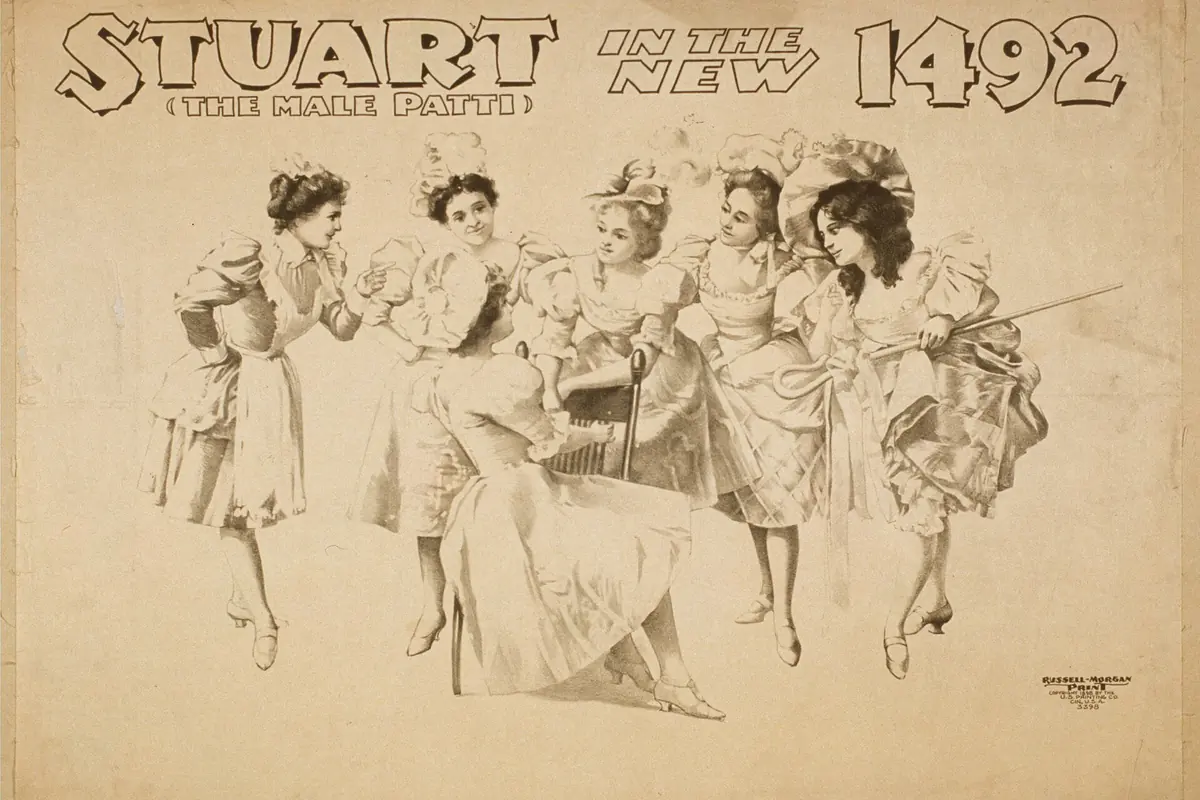
The modern form grew once acting became a profession open to women. Male performers turned to idealising or parodying femininity on purpose, and their shows became an entertainment in their own right. German Wikipedia records that these artists were first called Damenimitatoren, lady impersonators, with shows billed as Herren als Damen. From the 1970s the leading names of the travesty shows pushed the word Travestie instead, partly to shed a seedy image, with Paris then a centre of the genre.
Berlin’s cabaret years
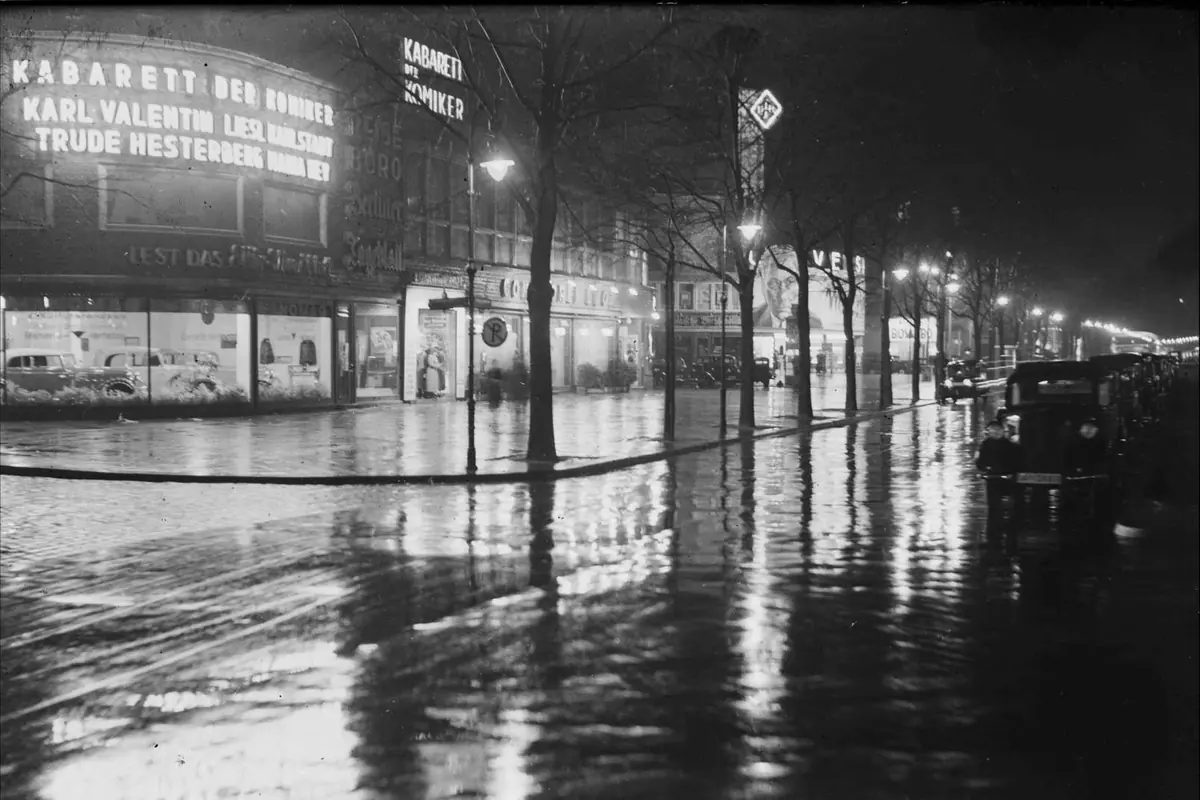
German Kabarett began in Berlin in 1901 with the Überbrettl, and by the mid-1920s satire of politics and gallows humour defined it. Berlin’s night life of those years also had the Eldorado, a club whose name became part of the popular image of the Weimar Republic; its cabaret regularly included what are now called drag shows, and Marlene Dietrich performed there. In December 1932 the Berlin police ordered more than a dozen such clubs closed. In 1933 the film Viktor und Viktoria, a comedy built on cross-dressing, came out in Germany.
Travestie or drag?
German draws a line that English often blurs. In the German reference article, a travesty artist puts the disguise on for the stage and takes it off in the dressing room at the latest. A drag queen or drag king, by contrast, plays a lasting role under a drag name of their own. The same article stresses that Travestie is not tied to any sexual orientation. The repertoire runs from imitating stars, through parodying them, to characters of the artist’s own making, usually with music, singing and a humorous play with innuendo.
Why it is a revue
Revue is the format: several acts of songs, dancing and comic sketches with no plot running through them, only a theme that loosely joins solo turns and ensemble numbers. Its heyday lasted from 1916 to 1932, and it was famous above all for visual spectacle, though revues also satirised the public figures of the day. That is the shape a travesty revue keeps, which is why it suits visitors without German: the numbers stand on their own, and a star parody needs a recognisable voice and a costume more than a script.
Sources
- German Wikipedia, article on Travestie (consulted November 2026)
- English Wikipedia, article on Travesti (theatre) (consulted November 2026)
- English Wikipedia, article on Kabarett (consulted November 2026)
- English Wikipedia, article on Eldorado (Berlin) (consulted November 2026)
- English Wikipedia, article on Drag (entertainment) (consulted November 2026)
- English Wikipedia, article on Revue (consulted November 2026)